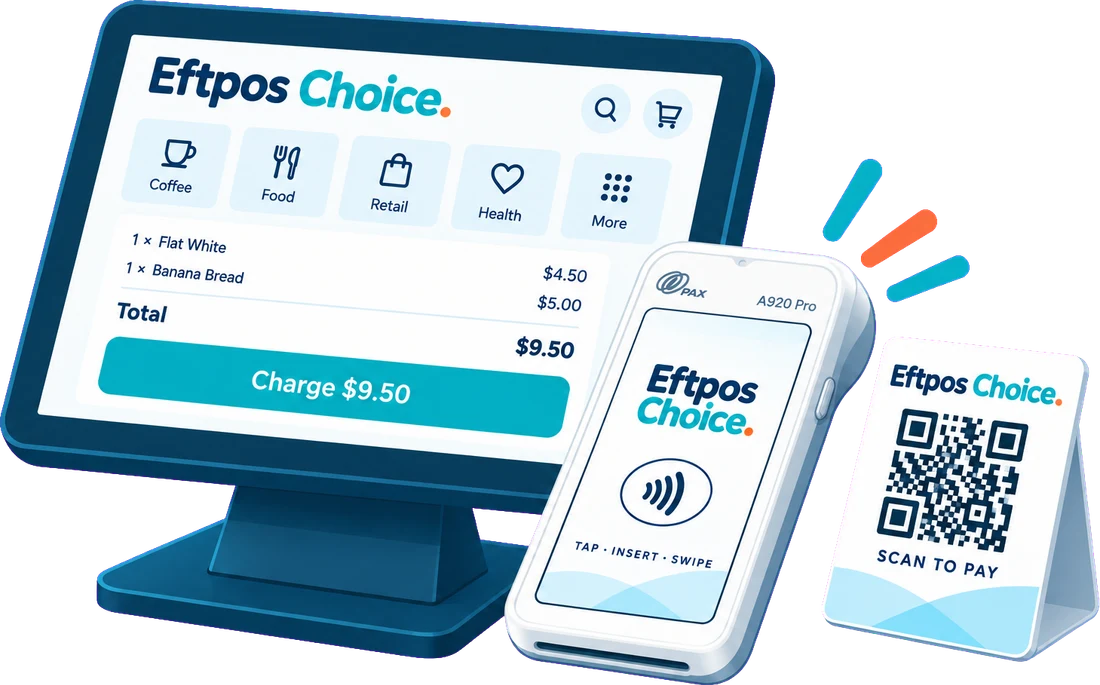
What integrated actually means
A standalone terminal is a separate machine that happens to sit near the till. Someone reads the total off the point of sale and types it into the terminal. Integrated means the point of sale sends the amount straight to the terminal, and the terminal sends the result straight back.
It is the difference between two systems in the same room and two systems that agree with each other.
What it removes from the day
Keying errors, first. A transposed figure is not caught until the end of the day, and then somebody spends an hour finding it. Integration removes the keystroke, so it removes the error.
Reconciliation, second. When every payment carries its own reference back into the point of sale, the day balances itself rather than being balanced by a person after close.
And the queue. A few seconds per transaction is invisible on its own and obvious across a lunch rush.
What to check before you commit
Integration is the single biggest constraint on which providers you can actually use, so it is worth settling early. Your point of sale will support some acquirers and not others, and that list is usually shorter than the one on the brochure.
Ask three things: which providers your point of sale is certified with today, whether the integration is included or an added monthly cost, and who you call when the two stop speaking — the POS vendor or the payments provider. The last one matters more than it sounds.
Tips, surcharging, refunds and split bills are each handled differently by different integrations. If any of those are part of your day, test them specifically rather than assuming the integration covers them.
You may not need to change the point of sale
The assumption that moving payments means replacing the point of sale is the most common reason merchants stay on a rate they know is uncompetitive. Often it is not true — the point of sale stays exactly where it is and only the payments move onto a device it already supports.
That is worth checking before you accept a quote built around replacing everything.